
Navigating the world of applied behavior analysis therapy (ABA) can be daunting for caregivers. The intake process is the first crucial step. It sets the stage for a successful therapy journey. Understanding this process can ease anxiety and prepare you for what's ahead.
This A Caregiver's Guide to the ABA Therapy Intake Meeting | Variabilities offers clear ABA definitions and answers common questions such as what is aba therapy, who can provide aba therapy, and how to get aba services.
ABA therapy, or Applied Behavior Analysis, is a proven method for behavior change. It is especially effective for children with autism. The intake meeting is where it all begins. Here, caregivers share vital information about their child's history and behaviors. If you're wondering what does aba therapy mean or what is aba therapy for autism, this overview will help.
This meeting is more than just paperwork. It's a chance to build a partnership with ABA providers and behavioral therapists for autism. Caregivers can ask questions and set goals. The intake process ensures therapy is tailored to your child's unique needs.
Preparation is key to a successful intake meeting. Gathering medical and educational records can help. Being ready to discuss your child's strengths and challenges is also important. If you also need to know how to get an autism evaluation before services, bring any recent diagnostic reports. This guide will walk you through each step, empowering you on your ABA journey.
What Is ABA Therapy? Key Definitions and Concepts
ABA therapy stands for Applied Behavior Analysis, also called applied behavior analysis therapy (sometimes shortened to ABA applied behavior analysis). It is a structured approach based on principles of learning and behavior. This method is used to understand and change specific behaviors. It's widely recognized for its effectiveness in treating autism.
If you're asking what is an aba therapist, what does an aba do, or who does aba therapy, an ABA therapist works closely with children to target key skills. These skills include communication, social interactions, and learning. The ultimate goal is to help children achieve greater independence. The therapy involves various aba techniques and aba therapy techniques tailored to each child.
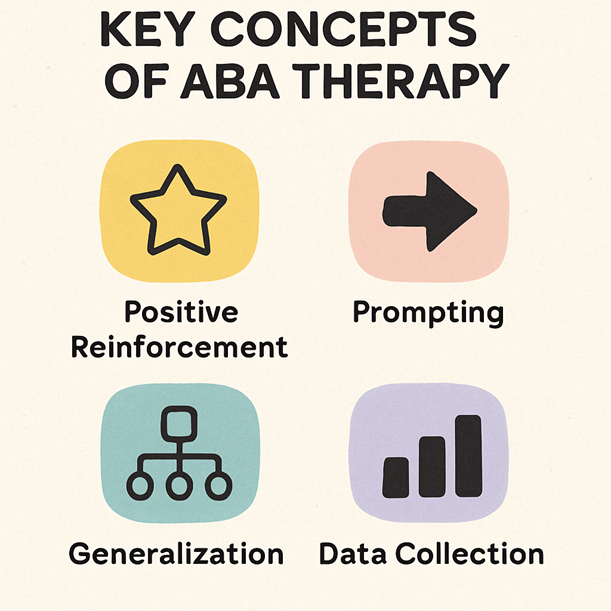
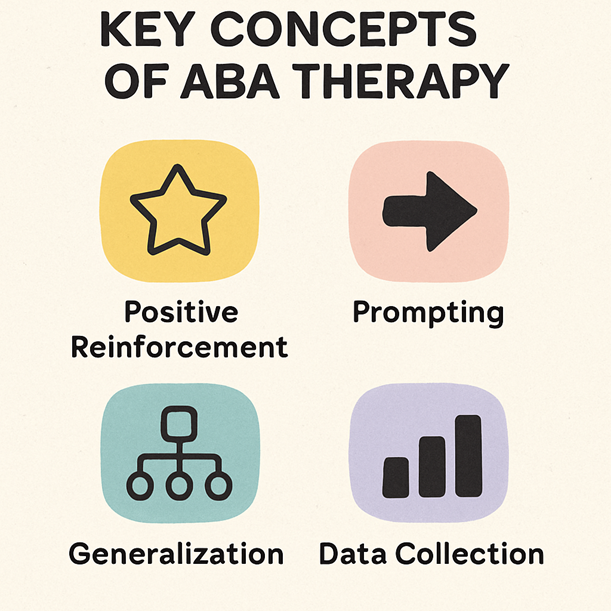
Key Concepts of ABA Therapy:
- Positive Reinforcement: Encouraging desired behaviors by rewarding them.
- Discrete Trial Training (DTT): Breaking tasks into smaller, manageable steps.
- Response Generalization (response generalization aba): Applying learned behaviors in different settings.
- Functional Behavior Assessment (FBA): Identifying why behaviors occur.
Understanding these concepts helps caregivers engage in the therapy process. It also allows them to communicate effectively with ABA providers. Knowing the definitions and principles behind ABA gives caregivers the confidence to advocate for their child's needs.
Why the Intake Process Matters: Setting the Foundation
The intake process is crucial as it lays the groundwork for successful therapy. It helps create a tailored therapy plan. This ensures that the therapy meets the child's unique needs.
During the intake, caregivers share vital information about their child. This includes developmental history and current behaviors. Sharing this information helps therapists understand the child better, which is key for effective treatment. Early details also guide the initial aba assessment and aba evaluation that inform services.
Importance of the Intake Process:
- Personalized Goals: Establishes specific objectives for each child.
- Targeted Assessment: Guides initial evaluations to identify key behaviors.
- Collaborative Approach: Encourages input from caregivers to enhance therapy outcomes.
Setting a solid foundation through intake leads to a structured and effective ABA experience.
For more information contact us: info@variabilities.us